


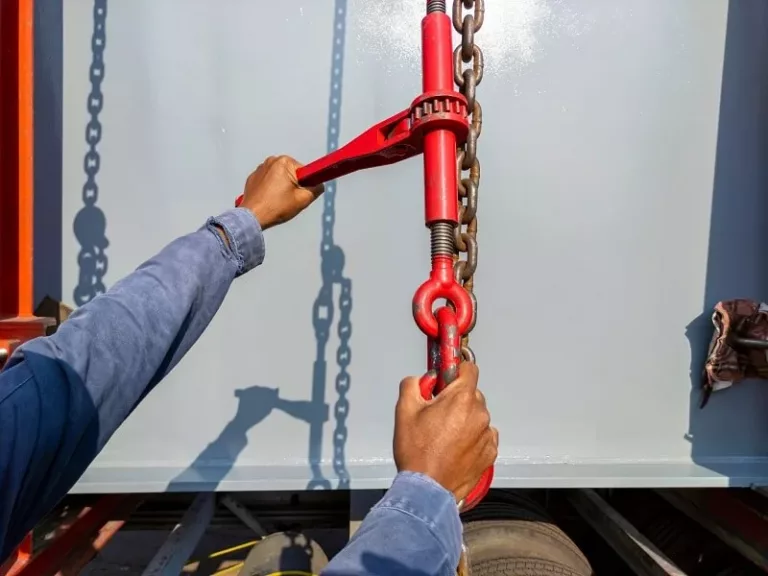
Load binders play a critical role in the transportation industry, ensuring the securement of cargo during transit. In the United States, where safety regulations are paramount, US-type ratchet load binders must adhere to specific standards to guarantee their reliability and effectiveness. This article delves into the standards that govern US-type ratchet load binders, providing insights into the essential criteria set forth by regulatory authorities.
1.Federal Motor Carrier Safety Administration (FMCSA):
The FMCSA, operating under the United States Department of Transportation (DOT), sets regulations for cargo securement to ensure highway safety. Load binders, including ratchet binders, fall under these regulations.
FMCSA regulations stipulate requirements for Working Load Limits (WLL), marking, and proper use of load binders. WLL indicates the maximum load that a load binder is rated to secure safely.
2.Code of Federal Regulations (CFR):
The CFR, specifically Title 49, details transportation-related regulations, and Part 393 covers the equipment necessary for the safe operation of commercial motor vehicles. Section 393.102 addresses cargo securement devices, including load binders.
This section outlines requirements for the strength and construction of load binders, the identification of the manufacturer, the WLL, and instructions for proper use.
3.Working Load Limit (WLL) Standards:
WLL is a crucial aspect of load binder standards. It represents the maximum load that a load binder is designed to handle safely. Manufacturers are required to clearly mark the WLL on each load binder to guide users in proper load securement.
4.Industry Standards and Testing:
In addition to government regulations, US-type ratchet load binders may adhere to industry standards and undergo testing to ensure their compliance with safety requirements.
The Web Sling & Tie Down Association (WSTDA) is an industry organization that provides guidelines and standards related to the proper use and inspection of load securement equipment. Manufacturers may follow WSTDA standards in designing and testing their load binders.
5.Manufacturer’s Specifications:
Users should refer to the documentation provided by the load binder manufacturer. This documentation typically includes guidelines for proper use, maintenance, and inspection. It is crucial to follow these recommendations to ensure the load binder’s continued effectiveness and safety.
In a conclusion, US-type ratchet load binders are subject to stringent standards set by regulatory bodies such as the FMCSA and the CFR. Adherence to these standards is crucial to ensure the safe transportation of cargo on highways. Users must be familiar with the specific regulations governing load binders, including WLL requirements and proper usage guidelines. Additionally, consulting manufacturer documentation and industry standards provides a comprehensive understanding of the specifications and safety considerations for US-type ratchet load binders. Regular inspection and maintenance are essential to uphold the integrity and reliability of these critical load securement tools. If you want to know more about US Type ratchet load binder, pls feel free to contact Sail Rigging.