


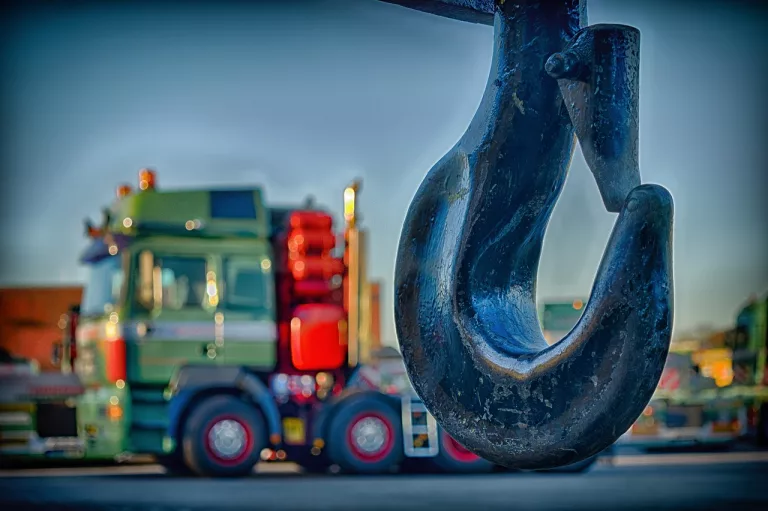
In the realm of maritime commerce, where the sea meets the land, an unassuming yet indispensable hero takes center stage—the humble hook. Docks serve as bustling gateways for the transfer of goods between ships and shore, and it is the various hooks employed in these operations that ensure a seamless and efficient exchange. This article explores the critical role of hooks in dock operations, shedding light on their types, functions, and the vital part they play in facilitating global trade.
Types of Hooks in Dock Operations:
Docks rely on an array of hooks designed for diverse applications:
Mooring Hooks: Essential for securing vessels to the dock, mooring hooks ensure a stable connection during loading and unloading operations.
Cargo Hooks: Versatile hooks designed for lifting and securing various types of cargo, including containers, bulk goods, and general freight.
Bollard Hooks: Discuss how bollards with integrated hooks are used for securing lines and ropes, contributing to the overall safety of vessel docking.
Loading and Unloading Operations:
Hooks play a pivotal role in the intricate dance of loading and unloading cargo at the dock:
Container Handling: Explore how specialized hooks are employed to lift and move containers between ships and the dock with precision.
Bulk Cargo Operations: Delve into the use of cargo hooks for lifting bulk materials such as grain, coal, or minerals during loading and unloading.
Securing Cargo: Highlight the importance of cargo hooks in securing loads, preventing shifting and ensuring safe transit.
Safety Measures and Efficiency:
Safety is paramount in dock operations, and hooks are equipped with features to enhance both safety and efficiency
Latch Systems: Discuss the use of latches on hooks to secure loads and prevent accidental disengagement during lifting.
Load Balancing: Explore how hooks contribute to the even distribution of weight, preventing imbalances and enhancing overall safety.
Operator Training: Emphasize the significance of proper training for dockworkers and crane operators to ensure the safe and efficient use of hooks.
Environmental Considerations:
In the modern era, environmental consciousness plays a crucial role in dock operations, and hooks are no exception:
Eco-friendly Materials: Explore the use of environmentally friendly materials in hook construction, contributing to sustainable and responsible practices.
Waste Reduction: Discuss initiatives aimed at reducing waste associated with hook maintenance and replacement.
Maintenance and Longevity:
Maintaining the integrity of hooks is vital for continuous, safe operations at the dock:
Regular Inspection: Emphasize the importance of routine inspections to detect signs of wear, corrosion, or damage.
Preventive Maintenance: Provide guidelines for preventive maintenance to extend the lifespan of hooks and avoid unplanned downtime.
Conclusion:
As vessels dock and unload their precious cargo, it is the unassuming hook that ensures the smooth transition from ship to shore. In the dynamic world of dock operations, understanding the types, functions, and maintenance of hooks is crucial for those navigating the intricate waters of maritime commerce. This unsung hero, the hook, silently contributes to the ebb and flow of global trade, embodying the delicate balance between efficiency, safety, and environmental responsibility. If you want to know more about hook in dock, please feel free to contact Sail Rigging.